
What Is an Anomaly Scan?
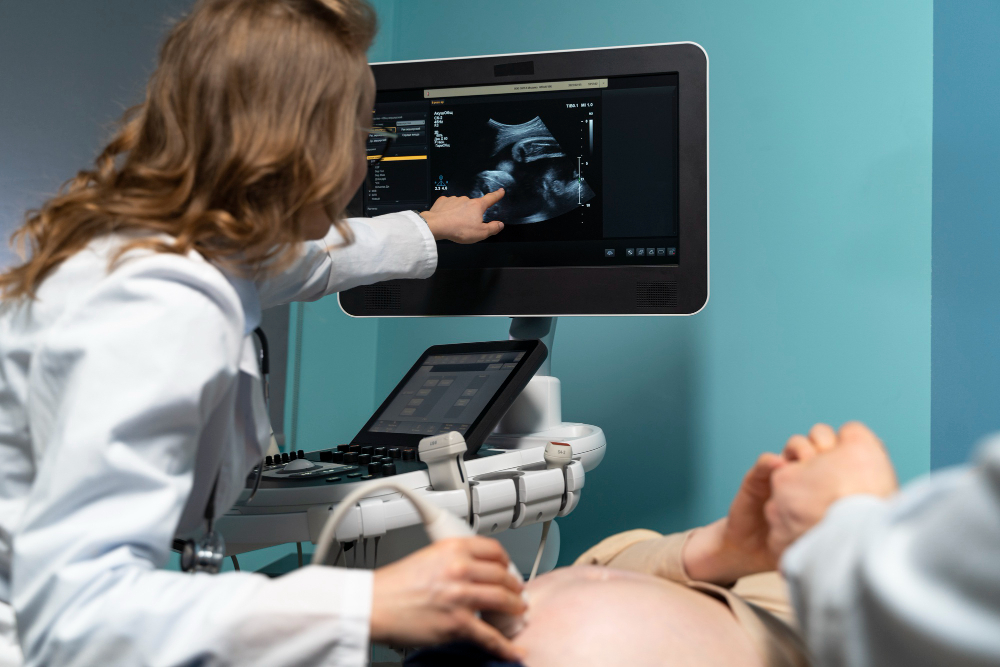
An anomaly scan at 20 weeks is a detailed ultrasound test. Doctors use it to check your baby’s growth and development. This scan looks for any physical problems in the baby. It is also called a mid-pregnancy scan or a 20-week pregnancy scan. Most parents look forward to this important checkup. It helps ensure your baby is healthy and growing well.
When Is the Anomaly Scan Performed?
Usually, the anomaly scan is done between 18 and 22 weeks of pregnancy. However, most doctors recommend having it at 20 weeks. This timing gives the best view of your baby’s organs and body parts. In some places, you may get the scan a little earlier or later. But, the 20-week mark is the most common time for this test.
Main Benefits of the Anomaly Scan
The anomaly scan at 20 weeks offers many benefits. For example, it helps doctors:
Because of these benefits, the scan is a key part of prenatal care. Early detection can help plan for any special care your baby may need.
What Parents Can Expect to Learn from the Scan
During the anomaly scan, parents can learn many things about their baby. For instance, you may find out:
However, not all problems can be seen on the scan. Still, it gives a lot of helpful information for you and your doctor.
How to Prepare for the Anomaly Scan
Preparing for the anomaly scan at 20 weeks is simple. Most of the time, you do not need to do much. But, here are a few tips:
Always check with your clinic for any special instructions. Some places may have different rules or advice.
What Happens During the Procedure?
First, you will lie down on an exam table. Next, the technician will put a cool gel on your belly. Then, they will move a small device called a probe over your skin. This device sends sound waves to create pictures of your baby. The scan usually takes about 30 to 45 minutes. During the scan, you may see your baby moving on the screen. Sometimes, the technician may ask you to change position for better images. After the scan, you can wipe off the gel and go home.
Interpreting Results and Next Steps
After the anomaly scan at 20 weeks, the doctor will review the images. Most of the time, results show that the baby is healthy. If the scan finds any concerns, your doctor will explain what they mean. Sometimes, more tests or scans are needed. In rare cases, you may be referred to a specialist. Remember, not all findings mean there is a serious problem. Your doctor will guide you on the best next steps for your care.
Frequently Asked Questions (FAQs)
Consult your healthcare provider for personalized advice about your anomaly scan at 20 weeks.