What Is a Viability Scan?
A viability scan is an early pregnancy ultrasound. Doctors use it to check if a pregnancy is developing as expected. Usually, this scan is done in the first trimester, often between 6 and 10 weeks. The main goal is to confirm that the pregnancy is healthy and growing. For many parents, this scan offers peace of mind. It also helps doctors spot any early problems.
When and Why Is a Viability Scan Performed?
Often, a viability scan is done when a woman first learns she is pregnant. Sometimes, doctors suggest it if there are symptoms like pain or bleeding. In other cases, it is part of routine care. Here are common reasons for a viability scan:
Because early pregnancy can be uncertain, this scan helps answer important questions.
How Is a Viability Scan Done?
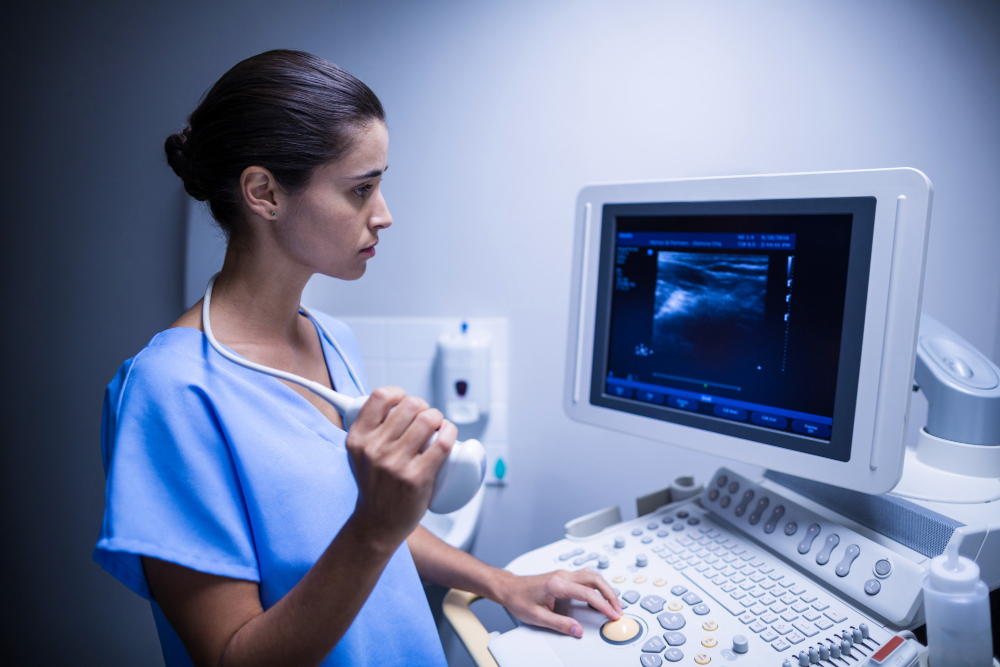
Usually, a viability scan is done using ultrasound. This test uses sound waves to create pictures of the inside of your body. There are two main ways to do this scan:
During the scan, you will lie on an exam table. The process is usually painless and takes about 15 to 30 minutes. You may feel mild pressure, but it should not hurt. After the scan, you can go home right away.
What Information Does a Viability Scan Provide?
A viability scan gives important details about your pregnancy. For example, it can show:
Because early care is important, this information helps guide your next steps.
Benefits and Limitations of Viability Scans
Viability scans offer many benefits. For instance, they can:
However, there are some limits. Sometimes, the scan may not show everything if it is done too early. Also, it cannot predict all future problems. Even so, it is a safe and helpful tool.
Frequently Asked Questions About Viability Scans
Safety and Preparation Tips
Before your scan, follow any instructions from your clinic. For example, you may need a full bladder. Wear comfortable clothes for easy access to your belly. If you have questions, ask your healthcare provider. Remember, the scan is safe and does not harm your baby.
When to Consult a Healthcare Provider
If you have pain, bleeding, or concerns about your pregnancy, contact your doctor right away. Even if you feel fine, regular check-ups are important. Early scans can help spot problems before they get worse. Always talk to a healthcare provider for advice that fits your needs.
Conclusion
In summary, a viability scan is a safe and helpful way to check early pregnancy. It gives important information and peace of mind. If you have questions or need a viability scan, consult a healthcare provider for personalized advice.